
Opinion: Why Florida's Property Tax Amendment Deserves a Fair Look
- Liana Gonzalez-Blanco

- 16 hours ago
- 5 min read

By: Liana Gonzalez-Blanco
June 19, 2026
For years, Florida homeowners have watched their property tax bills climb higher and higher, often much faster than their paychecks. While government revenues have soared alongside rising property values, many residents are finding it harder than ever to afford the cost of homeownership. That's why Florida's proposed property tax amendment deserves a serious look from voters.
The loudest critics of the amendment argue that reducing property taxes will devastate local governments and lead to cuts in essential services. But that argument assumes local governments are incapable of adapting, prioritizing spending, or operating more efficiently. That's a claim many taxpayers simply don't buy.
Here in Key West, the cost of owning a home has become nearly impossible for many middle-class families. Demand is high, inventory is limited, and property values have skyrocketed. Talk to longtime residents, retirees, working families, or first-time buyers and you'll hear the same thing: staying in your home gets harder every year.

Meanwhile, local governments have benefited from the surge in property values. As assessments rise, tax collections increase automatically. Homeowners never voted for those tax hikes. They simply arrived in the mailbox year after year as property values climbed.
The politicians warning voters about service cuts—whether they're Republicans or Democrats—often overlook a basic reality: government budgets have grown substantially over the years. Many taxpayers believe government administrators have become accustomed to annual budget increases and have little incentive to exercise fiscal discipline when revenues continue flowing in.
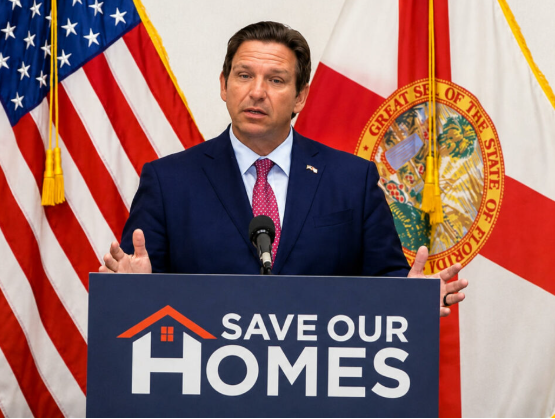
That's one reason this amendment has gained support. It forces a conversation about accountability.
Opponents frequently point to services like the Trauma Star helicopter, law enforcement, fire rescue, and emergency medical services as evidence that tax relief will create a public safety crisis.
But let's be realistic. Public safety is the first responsibility of local government. These are the services elected officials are most likely to protect. If they don't, angry taxpayers will demand an explanation about why they pay so much, yet get so little in return.
The suggestion that homeowners could suddenly face massive helicopter transport bills because of a property tax reduction is speculative at best. It assumes local governments would choose to cut critical services rather than make adjustments elsewhere in their budgets.
The amendment itself does not eliminate funding for core government functions. Public safety, education, infrastructure, and emergency response remain priorities. The idea that communities across Florida will suddenly abandon police officers, firefighters, and first responders makes for dramatic headlines, but it doesn't reflect how local governments actually operate.
Many residents have spent years asking local officials to take a harder look at spending. Too often those concerns are dismissed. Yet families and businesses are expected to tighten their belts when costs rise. Governments should be held to the same standard.
For homeowners in Key West and throughout Florida, even a few hundred or a few thousand dollars in annual tax savings can make a meaningful difference. Insurance premiums continue to rise. Utility bills keep climbing. Maintenance costs aren't getting any cheaper. Every dollar matters.
Critics often act as though property taxes are the only thing keeping local governments afloat. That's simply not true. Cities and counties receive revenue from a variety of sources, including sales taxes, tourism-related taxes, permits, utility fees, grants, and other assessments.

In the Florida Keys, tourism generates enormous economic activity. Visitors contribute millions of dollars to local economies every year. The notion that every dollar reduced from property taxes must automatically result in service cuts ignores the many other revenue streams available to local governments.
Some opponents also argue that the amendment threatens local control. But local governments already operate under countless state requirements and regulations. Asking governments to live within tighter financial constraints isn't an attack on home rule. It's a demand for greater accountability and responsible spending.
At its core, this debate is about homeownership.
For most Floridians, a primary residence isn't an investment portfolio. It's a home. Yet property taxes create a system where homeowners can pay off their mortgage and still face ever-increasing tax bills based on assessed values they have little control over.
Many homeowners feel trapped in a cycle where they never truly own their property because rising assessments can eventually price them out of the very homes they've worked decades to afford.
By expanding homestead protections and limiting future tax burdens, supporters believe the amendment helps residents remain in their homes and prevents long-term Floridians from being pushed out by rising property values.
Even critics acknowledge that Florida faces a broader affordability crisis driven by insurance costs and lack of housing due to high demand, made worse by the influx of millions of illegal immigrants into the country under the Biden administration. But addressing one problem doesn't mean ignoring another. Property tax relief won't solve every challenge facing homeowners, but it can provide meaningful help.
The property tax amendment isn't a magic fix, and it's certainly not without questions that deserve debate. But it's also not the catastrophe opponents claim it will be. Voters should carefully examine the proposal and weigh the arguments on both sides.
The choice isn't between functioning government and chaos. The choice is whether local governments should continue relying on ever-rising property values to generate more revenue, or whether homeowners deserve some protection from constantly increasing tax burdens.
Florida homeowners deserve quality public services. They also deserve tax relief. Those goals don't have to be mutually exclusive.

Liana Gonzalez-Blanco
Liana is a Key West native who loves writing about her island home. She taught English to students in grades 6–12 for nearly 35 years in Key West schools, sharing her love of literature and language with generations of local students. She earned a bachelor’s degree in English from the University of Florida and a master’s degree in Educational Leadership from the University of Central Florida. Liana is the owner of Conch Media Group, LLC, and the creator and manager of The Key West Post. Her goal is to keep readers informed about the issues that matter most in Key West. As a lifelong local, she offers a perspective often missing from corporate media and from journalists and bloggers who are new to the island. When Liana isn't writing and managing this website, she enjoys spending time with her friends and family. On most days, you’ll find her walking, biking, or running outdoors, soaking up the natural beauty, friendly people, and diverse cultures that make Key West so special. Some articles are free for everybody. However, readers can access all articles and support her local independent news website by joining a pay plan here and cancel anytime without any hassles. Membership includes the use of a free App. Readers can also join the free newsletter here.


Comments